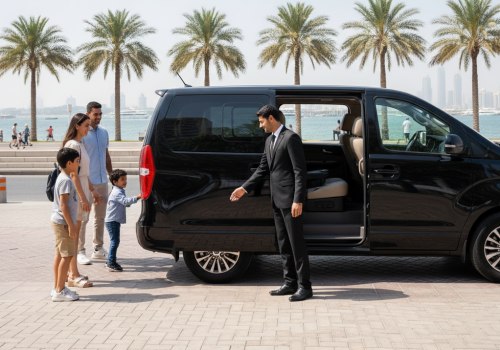
The limousine service industry has evolved significantly over the past decade, shifting from traditional wedding and prom transportation to a broader range of luxury mobility solutions. Today’s limousine brands often operate diversified fleets that include executive sedans, stretch SUVs, party buses, airport shuttles, and corporate transport vehicles. With increased competition from rideshare platforms and changing consumer expectations, limousine companies have adapted by focusing on premium service, reliability, and specialized event transportation. This expansion of services has required operators to rethink not only marketing strategies but also operational logistics and asset management.
As fleets grow to accommodate new service categories, limousine businesses must manage vehicle storage, maintenance scheduling, and seasonal demand fluctuations more strategically. Larger and more specialized vehicles require secure parking spaces that protect both exterior finishes and customized interiors. Limited space at primary offices often creates operational bottlenecks, prompting brands to seek flexible storage solutions that support long-term growth.
Fleet Expansion and the Need for Flexible Storage
Limousine vehicles represent substantial capital investments. From luxury upholstery and advanced lighting systems to high-end sound equipment and entertainment features, maintaining vehicle condition is essential for protecting brand reputation and resale value. Exposure to harsh weather, crowded lots, or inconsistent parking arrangements can lead to unnecessary wear and increased maintenance costs.
This is where complementary growth in the self storage facility industry becomes relevant. Facilities such as All Locked Up self-storage facility in Castaic, CA offer secure and organized environments that can accommodate oversized vehicles during slower booking periods. By leveraging nearby storage properties, limousine companies can scale their fleets without committing to permanent commercial property expansions. Vehicles not in active rotation can be stored safely until demand increases, allowing operators to maintain flexibility in a fluctuating market.
Seasonal Demand and Business Diversification
The limousine industry is highly seasonal. Weddings, graduations, holiday events, and corporate conferences create peaks in demand, while certain months may bring reduced booking activity. Rather than downsizing fleets permanently during slower periods, many operators use storage facilities to manage seasonal cycles effectively. This strategy supports consistent service availability during high-demand seasons without incurring unnecessary operational overhead year-round.
Additionally, as limousine companies diversify into party buses and executive transportation, the need for adaptable parking and storage solutions becomes even more critical. Self storage facilities can serve as logistical extensions of the business, offering space for vehicles, promotional materials, and specialized event equipment.
Shared Growth Through Strategic Alignment
The complementary relationship between limousine service evolution and self storage facility expansion reflects broader trends in asset management and flexible real estate utilization. As limousine brands grow and modernize, they require secure, scalable infrastructure to support fleet expansion and protect investments. At the same time, storage facilities benefit from serving commercial clients alongside residential tenants, diversifying their customer base and stabilizing occupancy rates.
By aligning transportation services with adaptable storage solutions, both industries strengthen their long-term resilience. Limousine operators gain operational flexibility and asset protection, while storage facilities capture new commercial demand streams. Together, this synergy fosters sustainable growth in markets where mobility, convenience, and smart property utilization continue to drive economic progress.