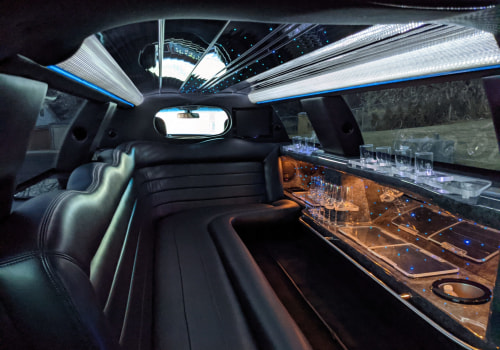
Limousine service businesses operate in a highly competitive and detail-oriented industry where vehicle presentation, reliability, and scheduling efficiency directly impact customer satisfaction. Traditionally, many limousine companies relied on private garages or small commercial lots to store their fleets. However, as demand grows for specialty vehicles—such as stretch SUVs, executive vans, party buses, and luxury sedans—business owners are recognizing the limitations of conventional storage spaces. Limited indoor parking, zoning restrictions, and urban congestion are prompting companies to explore more versatile storage opportunities that can accommodate diverse fleet sizes and seasonal fluctuations.
Expanding fleets often means securing additional vehicles to meet peak demand during wedding seasons, corporate conferences, proms, and holiday events. When business slows during off-peak months, however, these same vehicles require safe and cost-effective storage solutions that protect them from environmental exposure and depreciation. This need for flexibility has led limousine operators to look beyond traditional garages and toward larger, secure storage facilities designed for oversized or specialty vehicles.
Protecting High-Value Assets Year-Round
Limousines represent significant financial investments. From custom interiors and premium sound systems to specialty lighting and luxury finishes, these vehicles require careful maintenance and protection when not in active service. Exposure to harsh weather conditions—snow, heavy rain, extreme heat, or hail—can damage both exterior finishes and interior components. For this reason, secure storage environments with controlled access, surveillance systems, and structured parking layouts are becoming increasingly attractive to fleet operators.
Many limousine businesses are discovering that facilities designed for large recreational vehicles and boats can also accommodate stretched vehicles and specialty transport units. A well-designed site such as an A-1 RV AND BOAT STORAGE rv storage facility in North Branch, MN provides ample space for oversized vehicles while offering gated security and monitored access. These types of facilities are particularly valuable for limousine companies operating in suburban or regional markets where commercial real estate may be limited or cost-prohibitive. By utilizing adaptable storage environments, businesses can safeguard their fleet while maintaining operational flexibility.
Enhancing Operational Efficiency and Scalability
Versatile storage opportunities also support strategic growth. As limousine companies expand into new service areas or diversify into party buses and executive transport vans, scalable storage becomes essential. Instead of committing to long-term commercial leases with limited expansion capacity, operators can adjust storage needs based on demand cycles. This flexibility allows businesses to increase fleet size during peak seasons and reduce storage commitments when demand stabilizes.
Additionally, secure off-site storage helps streamline dispatch operations. Vehicles can be rotated efficiently, with some staged for immediate service and others placed in protective storage until scheduled. Organized layouts and designated parking areas make it easier to conduct inspections, maintenance checks, and cleaning routines without overcrowding a primary business location.
Supporting Long-Term Fleet Value
Beyond convenience, strategic storage decisions contribute to preserving long-term asset value. Properly stored limousines experience less environmental wear, fewer cosmetic issues, and reduced mechanical strain. This preservation directly impacts resale value and overall return on investment.
As the transportation industry continues evolving with rideshare competition and changing consumer expectations, limousine businesses must remain agile. Exploring versatile storage solutions enables companies to protect high-value vehicles, manage seasonal demand, and scale operations effectively. By integrating flexible storage into their business models, limousine service providers position themselves for sustained growth, improved fleet longevity, and enhanced service reliability in an increasingly dynamic marketplace.