Limousine service companies face unique challenges throughout the year, but few periods test their operational capabilities more than high-demand seasons. Events such as weddings, proms, holidays, major sporting events, corporate conferences, and peak travel periods can create significant increases in transportation requests within a relatively short timeframe. During these busy periods, customers expect the same level of punctuality, professionalism, and service quality that they would receive during slower times. Maintaining that consistency requires careful planning, resource management, and a proactive approach to logistics.
Unlike standard transportation providers that may simply accept bookings as they come, limousine companies must carefully balance demand with available resources. A single delay or scheduling conflict can affect multiple reservations throughout the day. As a result, reliability becomes a strategic priority that influences nearly every aspect of operations. Successful companies often begin preparing for high-demand periods weeks or even months in advance by reviewing historical booking trends, forecasting demand patterns, and allocating vehicles and personnel accordingly.
Strategic Scheduling and Fleet Management
One of the most important factors in maintaining reliability is effective scheduling. During busy seasons, limousine companies frequently experience overlapping reservations, tight turnaround times, and increased traffic congestion. Dispatch teams must carefully coordinate vehicle assignments while allowing enough flexibility to accommodate unexpected changes.
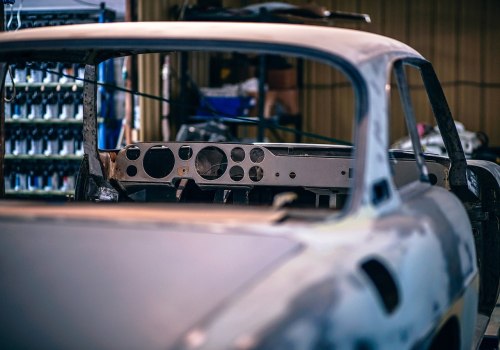
Fleet management also plays a critical role. Vehicles are inspected, serviced, and prepared to minimize the likelihood of mechanical issues during periods of heavy use. Preventive maintenance becomes especially important because a single vehicle breakdown can create a ripple effect across an entire day's schedule. By ensuring that every vehicle is operating at peak performance, transportation providers reduce the risk of disruptions that could negatively impact customers.
Many companies also maintain backup vehicles that can be deployed if unforeseen circumstances arise. These contingency resources help preserve service continuity and allow operations to continue even when challenges occur. This level of preparedness is often invisible to clients, but it is a key component of delivering dependable transportation services.
The Importance of Communication and Real-Time Monitoring
High-demand seasons often bring additional external challenges, including increased airport traffic, road congestion, weather disruptions, and event-related delays. Limousine companies rely heavily on real-time monitoring systems to stay informed about changing conditions and adjust plans when necessary.
Professional dispatchers continuously track traffic patterns, flight statuses, road closures, and weather forecasts. This information enables them to make informed decisions regarding routes, pickup times, and vehicle assignments. In many cases, potential problems can be addressed before they affect customers.
Communication between chauffeurs, dispatch teams, and clients is equally important. Keeping all parties informed helps reduce uncertainty and ensures that adjustments can be made quickly when circumstances change. Effective communication often serves as the foundation for maintaining customer confidence during particularly busy periods.
Companies such as Blue Sky Black Limo Service understand that reliability is not achieved through vehicles alone. It requires coordinated efforts among drivers, dispatch personnel, maintenance teams, and customer service professionals working together toward a common goal. This collaborative approach helps create a transportation experience that remains dependable even when demand is at its highest.
Delivering Consistent Service Under Pressure
Customers who book limousine services during peak seasons often do so for important occasions that cannot be easily rescheduled. Weddings, business meetings, airport transfers, and special events all depend on punctual and reliable transportation. This reality places additional pressure on service providers to perform consistently regardless of operational challenges.
Successful limousine companies recognize that reliability is built through preparation, adaptability, and attention to detail. By investing in fleet readiness, strategic scheduling, proactive communication, and contingency planning, they can continue delivering high-quality transportation experiences even during the busiest times of the year. These behind-the-scenes efforts allow customers to enjoy seamless service while remaining confident that their transportation needs will be met, no matter how demanding the season becomes.